There are a lot of things in this world…perhaps brought about by humans, but nevertheless exist at least as part of our lives. They are important things, things we fight for, things we live for. I’m speaking of things like freedom, justice, love, spirituality, loyalty, equality, truth, and there are probably others that I’m not thinking of right now. These things often give rise to a lot of disagreements in terms of what they mean, they often lack a specific definition, and very much depends on one’s perspective based on the family, culture, society in which we were raised.
But they do. And maybe sometimes they should.
All of these things are core to who we are as a species and have the ability to impact our own personal happiness and sense of well-being, as well as how we treat each other and all life in general. All of these things can also be extremely frustrating because of how different we view them. Ever tried to love someone who wasn’t all that impressed with the way you did it? Ever had someone question your loyalty even when you thought your behavior expressed loyalty? Ever fought for some group’s freedom, but have the very same group question the way in which you fight for that freedom or even claim that you weren’t helping but making things worse? Ever believe something was very important to spiritual health only to be told by someone else that it was irrelevant? The truth is that that all of these things are really really complex, regardless of how simple and natural it might feel to you. These things are often very dynamic, leaving us with moral and ethical conflicts over time, sometimes changing our views slowly or rapidly as we experience new things. They are often tied strongly to our emotions and sometimes seem beyond reason, they are just how we feel. It also tends to be not very satisfying to be alone with our perspectives. We seek connection to those who share similar perspectives and points of view. I would say all this is good, and that our perspective should change over time. We should be seriously considering other points of view and striving towards some sort of universal truth about these things even if we never actually reach it in our lifetime. Because if we can nail down these things it is the benefit of all.
However there is another core part of who we are as a species. We don’t like things that are hard to define. We like to organize, we would prefer things to be simple. Simple is less costly, it gives us more time for other things. We spend less time sitting their thinking when we need to make sure we’re safe, getting resources to survive. It’s very evolutionary. When things are actually hard, when they are not quite within our grasp, that’s when the real trap springs. Our need for organization, categorization, and simplicity begins to create rules. It begins to create rituals. Rules and rituals are easy. I’m not saying that we haven’t created some convoluted rules and rituals, but they are easy because we know that when we follow them the conclusion is guaranteed. At least that’s the way we tend to think. They give us the intangible in tangible form. They turn things that are dynamic into the static. It takes things that might take a lifetime to learn into an instant discovery. For those with a penchant for defaulting to authority, it is a Godsend. Literally. And while it might be natural for us to do these things, it is a complete disservice to these lofty ideals and values we live and die for. And maybe it’s not even a bad thing that we try to create a system that fits these things, but when we reduce it to the system alone things usually turn out badly. Love has to be more than just placing a ring on someone’s finger. Justice has to be more than just an immutable punishment for an immutable law. Whenever we think we’ve reached a state of equality or discovered a truth, we must still question and test instead of resting on our laurels.
The Geocentric Theory. One of the best examples of human fallibility and seeing connections in nature.
I think that we have developed a very good “way of knowing” with the scientific method. It is demonstrably the best way of knowing we have so far. It takes very little effort to look around the world and see that the best way is not only not the only way in which people come to know things, and it is often by no means obvious. I mean it’s not to say we don’t start off life as little infants constantly testing and trying to understand our world through observations, but we do often make mistakes in trying to understand the world around us. Mostly related to our tendency to find patterns that done’t exist. Our senses often deceive us because we evolved for life in a small geographic environment, with a small group of people, and that is often what matters the most. As “ways of knowing” get better and more effective, it reveals our fallibility. It tells us we aren’t as smart as we think we are, and that we might not be doing things as well as we could. Even as a scientist, who feels like I know my way of thinking is a more reliable one, it can often not feel like enough in a world with so much suffering and when so many need help quickly. It is not realistic to simply wait for people to come around to a better way of looking at things. As much as I like to philosophize “ways of knowing” we must also remember that such things are not so easily divorced from “ways of feeling”.
Collapse after angle of repose is exceeded
History tells us that change comes through slow increments like weathering and erosion and also through suddenness of revolution, yet in both cases forcing it doesn’t necessarily help matters. It’s like life is like a slope of sand which slowly over time, grain by grain is deposited on a slope until we reach some critical mass beyond the angle of repose and the weight of the sand causes a sudden change in the landscape. With no real way to predict which grain of sand will cause it all to shift and give way. It’s like we all have to really try to do better, while at the same time just watch it all happen as if we aren’t even a part of the story.
So what is the answer to seeing eye to eye on these very important values? I don’t know. I think the best we can do is accept that things change, and that nothing is settled. We can still try to create rules, as long as we are not a slave to them. We can try to make things tangible, as long we accept that those rituals are empty without a lifetime of effort. One thing we can say for certain is that life would lose far too much flavor if it all could be settled so easily. We must accept that life is hard in large part because it simply can’t be done alone. And while I might be an idealist thinking that we might someday reach at least some level of harmony among all humanity, I see no harm in striving towards that. What we have to gain, I think, is too great to just give up and say “It can never happen”. As I always say, there is much more in this world that we all have in common than what drives us apart.
“And then, one Thursday, nearly two thousand years after one man had been nailed to a tree for saying how great it would be to be nice to people for a change, a girl sitting on her own in a small café in Rickmansworth suddenly realized what it was that had been going wrong all this time, and she finally knew how the world could be made a good and happy place. This time it was right, it would work, and no one would have to get nailed to anything.”
It is today my 42nd birthday and I decided this would be a good year to reflect. Why 42, why not 40 like any other normal person with a penchant for round numbers? According Douglas Adams’ Hitchhikers Guide to the Galaxy series a supercomputer was asked to come up with the answer to Life, the Universe, and Everything and 42 was that answer. So I am at the age which is the answer, but of course if you read the series you know that while the answer was determined a more powerful supercomputer had to be created to determine the question (which turned out to be the planet Earth). So 42 seems like a great age to think about answers and questions.
This is also the year that I often joked would be when I started my own cult. This was supposed to be easy as I was going to have a good portion of Twitter followers, find myself a good compound with fertile soil and enjoy the good life. Extra wives would have been optional. It’s weird how as I get older there seems to be more of a drive to keep life simple and surround yourself by like minded people. Anyway, Twitter really doesn’t suit me, for as you can see, I don’t say many things in 140 words or less so my followers are few, and I think life is better that way, and also I’m not a very proficient gardener, so I’m probably better off living close to the farmer’s market. So here I am, nobody famous and nobody to follow, and a mini essay of reflection is probably more suited to greater personalities, but hey, it’s the age of information and I have a blog, so why not write? 🙂
Life
I think what makes being a teenager so difficult is that this is the time in your life when you start to self-actualize a lot more and really think about the future. It’s a terrible thing really, because you are also still young enough where you really don’t know shit. I remember thinking a lot about the type of person I wanted to be. My dad was (and still is) an alcoholic and as a teenager I knew that I didn’t want to be like my dad. Kids respond to those who are consistently there for them, and my mom was that person. Of course I’ve come to realize many positives about my dad as well, but as a kid I knew that whatever way my dad was, wasn’t working. My mom was loving, supporting, nurturing, and always there. At the time I never really looked at my mom and dad’s personalities as related gender, but more as what are the behaviors that lead to increased happiness and that bring increased happiness to others. I am sure it did in many ways shape why I’ve always felt more free to be myself more in front of women than men, and why I look beyond arbitrary categorizations of people and simply try to stick to values that bring happiness.
I also remember thinking that I was not the person I wanted to be. I felt like I was this amazing person who was trapped inside myself. Inside a shell that I needed to break out of. I know now that there is a certain element of being a child of an alcoholic that makes us more fearful of self-expression because of how we internalize our parents’ addiction, but I think teenagers can simply be apprehensive about inserting themselves in the world no matter how much they want to. I know I am a person who leans toward safety over risk, and that was one of the things I wanted to get better at as I got older which was to be bold. It’s still the quality I struggle with the most, but I’m proud to say that the vision I had for myself at around the age of 16 isn’t far off the mark. The compliment that I have received several times and means the most to me is when people tell me that they can tell immediately the type of person that I am because I am so open and. It is the part I like about myself the most especially because I think life is too short to pretend with people. I am proud that I have reached a point in life where I am comfortable in my own skin, and it is something that has always seemed like a necessary way to be, but I in no way want to imply that I have go there solely on my own.
Another thing I worried about when I was young was that I wasn’t original. I felt like everything I was, was copied from somebody else. I didn’t have any original ideas, I wasn’t creative. As I was thinking about what to write in this post yesterday I was wondering if I should say that the meaning of life is “theft”. We are born as absolutely blanks and while genetics may texture our canvas to a certain respect we are painted on by the many people we come to know in life, our culture and society also paints broad brushes over us too. Of course theft isn’t really the right word. People and society paint things upon us and we have little say in that. And in most other cases it is people who in my life who have given, and I have taken, and I would like to believe that with time I have been better about showing my gratitude. It would not be until a certain Star Trek: The Next Generation Episode that I felt better about my lack of originality. Here Captain Picard comments on the emotionless android Data’s violin playing.
PICARD: The good doctor was kind enough to provide me with a recording of your concert. Your performance shows feeling. DATA: As I have recently reminded others, sir, I have no feeling. PICARD: It’s hard to believe. Your playing is quite beautiful. DATA: Strictly speaking, sir, it is not my playing. It is a precise imitation of the techniques of Jascha Heifetz and Trenka Bronken. PICARD: Is there nothing of Data in what I’m hearing? You see, you chose the violinists. Heifetz and Bronken have radically different styles, different techniques, yet you combined them successfully. DATA: I suppose I have learned to be creative, sir, when necessary. PICARD: Mister Data, I look forward to your next concert.
So yes, I now feel original, thanks to lines written by somebody else. Star Trek has actually taught me quite a bit now that I think about it. 🙂 Life is also full of irony and paradoxes enough to make you scratch your head for a lifetime. In the end though, isn’t this what we really are…a product of others, both biologically and environmentally with a unique level of proportions such that we are originals? What I really mean to say about all this is that I feel really grateful to all those who have given and for what I have taken. I have taken the best of you to the very heart of me and a result carry you everywhere. Some I’ve not seen or talked to in some time, some it may have only been a brief time in which we knew each other, or perhaps were not even very close friends, but I saw what was good in you, I smiled at it, and celebrated it and let it course through my arteries. I am thankful for all the love, the friendship, the inspiration, the memories, the lessons taught, and yes even the criticism and in some cases hurt. I am unique and original because of all of you and there is no other way I’d rather be.
The Universe
Growing older also means growing more aware as you continue to experience and learn in life. As someone who is strongly committed to learning as awareness grows so does the burden of that knowledge. It is only in the most recent years that I have truly understood the expression ignorance is bliss. However, it is also important to remember that your own bliss is of little value to anybody else but yourself, and we are a social species. As I’ve learned I continued to have more awe for this amazing universe we live in, uncovering the darkness that shrouds knowledge also means discovering the horrors, the malice, the pain, and the suffering. It is all the worse when you are one of the lucky ones to have things far better than so many. It makes you question the very right to feel happy. And when it comes down to it, it makes me feel bad just complain about how heavy the thoughts are sometimes, because I am so fortunate to just have to think about it and not actually experience the hardships so many bear. I am fortunate that I can put those thoughts to the side at times. However, I also know there is no denying it either. And I know that just feeling sad and depressed all the time would be debilitating so there is nothing for it but to do something about it. I am not helpless under this weight although sometimes it can feel that way. So I try, and I let myself feel happiness for all the beauty that exists as well. There is much to fight against in this world, but I feel if we forget what we’re fighting for, it’s easy to get lost in the darkness.
I believe that it is this mixture of awe-inspiring beauty and soul-draining horror that drives us. I think we can’t help but feel small in the face of it. Some try to conquer it by building belief systems that explain it all, some try to chip away at the answer slowly through careful investigation, and some just turn to vices to distract themselves and to numb themselves. However, from what I’ve seen, the true winners in this world are always the ones who accept how small they are in the face of it all. It’s bigger than any one individual and it’s the one thing we all have in common. It is enough to make you just sit there and think “Why can’t we just all get along? It really does seem so simple to just be nice to each other. Nobody has to get nailed to anything.
As I look forward the things on the horizon are amazing. Just as there are things in my young life I never thought possible but exist now, I know there are many unknown wonders that await me for the rest of my life. I like being this age and knowing all the things that I know. Wisdom comes to you without even knowing it, and I like it. I admit that I am not a big fan of leaving this existence. I see us getting closer to things like unlocking the mysteries of aging, replacing organs, interfacing the computer to the brain and I wonder if in the not too distant future we might have a choice to live far longer than we do to do. I am jealous quite frankly. As someone who embraces change and has seen how changes occur over time spans far greater than our human lives I would like to experience it. I want to choose when I want to leave this existence and have a shot at deepening that well of wisdom beyond this short time on Earth. When I think of all the change that has occurred over 1000 years, 10,000 years and so on…I wonder what it would be like to see it…what perspective that would give you…how you would look at the universe differently. I suppose such a chance will not happen, but I keep the dream alive only because it is at times helpful to remember that we are not only small in terms of the vastness of space, but also the vastness of time. I can’t be expected to figure it all out, and that’s okay.
And Everything
There isn’t much more to say here. Of course there is more to life I suppose, but it’s amazing how important some people become so that even the other things seem to tendril out from it. I know that there are no guarantees in life, but that’s why living in the moment is so important. I am lucky that I have a life where I can take care of them just as much as they take care of me. The fact that our love can put some things at the center of our life, at the center of our universe, is amazing What more could I want? I do have everything.
I posted the above graphic on my Facebook page the other day and it elicited a good bit of discussion. I had started writing a response to someone’s comment and it was getting a bit long so I thought I would turn it into a blog post since it goes to the very roots of how I became a feminist. Actually I would rather say “how I began my journey to become a feminist” because I don’t know if I truly am yet. It takes a lot of time to overcome social conditioning in a world tilted against half of the population.
It wasn’t until the age of 23 that I had really fallen in love and had what I considered my first serious relationship. Her name was Anna (well still is) and she was just a wonderful human being. She announced to me early on that she was a feminist and studied gender sociology. The word feminist at that time, and even still today, had a negative connotation and I was not unaware of it, but I’ve always been one to go beyond the label to know the quality of the person, but one can’t help but have the only ideas that you know about feminists in your brain, even though I knew that there was no reason for men and women to be treated differently, and so I had no problem having her teach me more. The fact that she was crazy about me made me feel pretty good about myself because it meant that I wasn’t like other guys and that there had to be some spark of equality in me that made her feel safe. She taught me a lot of things, but it’s interesting how academic it can all feel. Not that I don’t take academic research seriously, or even feel a certain level of outrage, but sometimes things don’t hit home until you really see it and it becomes personal.
We were both grad students at the University of Oklahoma and while I had roommates she had her own place and our relationship got to the point where I was spending most nights there. One night we were fast asleep in bed, when the phone rang, which was next to her bed. It woke me slightly and I heard her pick up the phone and say “Hello?” A few seconds passed and she once again said “Hello?”. And then after a few more seconds she yelled “Oh my God!” and hung up the phone. When I asked her what was wrong she said it was a guy on the other end of the phone and he asked her to keep talking so he could masturbate to her voice. It was an incident so befuddling to me that I almost couldn’t process it in the moment. I know I held her, but I don’t think at the time I could truly understand how it made her feel. However, I did know at the moment that something was wrong. Something was fundamentally wrong in the world. This was not the first time she had experienced something like this. And it was by far not a rare experience for women in general.
Feminism has come far, fighting a lot of the big and obvious things that have been suppressing women in our society, but the undercurrent of misogyny remains. I realized the day after that night time phone call that there were simply certain things in this world that I would never have to face. While laws had been passed to protect women, to give them better opportunities for jobs, better pay, a wider variety of careers, there were certain things that I would never feel. I would never be cat called, and I would never have some creepy person calling me in the middle of the night using me for purposes of masturbation, and I would never have a guy honk at me because I of the clothes I was wearing. It would be easy to be glib here and say as guys we would love all these things, but it’s a position of privilege to feel this way because I could enjoy the fantasy and then once it’s over I would go back to being a man. Someone who isn’t judged based on the most superficial qualities about myself. No one would really question my morals for wanting to be sexy or liking sex. No one would criticize me if I wanted to be more modest. I would never have to deal with a date who seemed nice, but felt that if he was going to pay for dinner I had to put out. That he had a right to my body at a certain point, and that being physically weaker I might not be able to fight him off. I would never have to face the humiliation afterward when my body, when my very personhood was violated and reported the rape that so many women have faced by having the finger pointed at me. What was I wearing? Did I have any alcohol? Did I lead him on? Did I invite him into my home? None of these things are permission for rape. And so like so many women I might also make the decision to not say anything. Just suck it up and move on so as not to invite criticism and judgment, and possible even more violence at the hands of the person who raped me.
These incidents are not rare. They are not spread out sparsely across the multitude of women. They are common, there is no hiding from them, they happen every day. It is the totality of all these things a woman has to face. This oppression and disregard is sometimes more obvious and sometimes less so, but they are ever present. Is it any wonder that many women begin to think the worst of men? Find it hard to trust them? Find it hard to trust themselves when it comes to even telling one of the good ones from the bad ones. At times I have been one of those men who complained about women not appreciating a nice guy. I was wrong to do so, because even if I am nice, given what so many women have gone through, my compassion should always have been at the fore. And if all this isn’t sad enough, it’s important to remember that this is one of the countries where women can consider themselves having it good compared to many places.
Look, I’m not blind that there are issues that negatively impact men as well, but the issues men face aren’t even close. I also find that as we actually truly start to value those things that we consider feminine those culturally narrow definitions of masculinity also begin to fade. While I may not know yet whether I am the feminist I want to be, I know that the fight for equality is everybody’s responsibility and that it lifts us all to a better position morally, ethically, and spiritually. The only way for everyone to have power is through equality. Power combined with inequality means that someone is losing. And women have been losing for far too long.
I was listening to another episode of the NPR podcast The Hidden Brain this morning and it rekindled something that often comes into my mind when tragic events happen and this the act of forgiveness. This podcast was extremely interesting because they were talking with a researcher who was studying forgiveness by collecting data and interviewing people in Sierra Leone in the aftermath of their civil war. It is a unique situation because after they democratically elected a new government people who were on separate sides of a conflict were in the same communities, and even neighbors. You could be living next to somebody who cut off your hand, raped or killed a family member. What happened in that country is truly horrific, and no side was necessarily worse than the other. People were allowed to go back to their lives unpunished by the new government (with perhaps the exception of certain leaders). In the main story that they follow in the podcast the play excerpts of an interview with two men who were friends before the civil war and when one was captured by the rebels he was made to do horrific things. He came across his friend and the rebels wanted him beat his friend, and he would not do it, and so they shot at him injuring him and told them that if he didn’t he would be killed. Fearing for his life he did as they asked, and then asked him to kill his friend’s father. He also ended up doing that in fearing for his life.
I am going to stop there before I going into the aftermath. Right now some of you are judging the friend harshly who killed his friend’s father. Some of you feel extreme anger towards the adult rebels who would ask a youth to do this and some of you are just lost in sorry for the pain and anguish that both of these boys must have felt. You are maybe thinking what you would do in the same situation. You are thinking about it rationally and cooly. Let me say first that whatever decision you are making right now, may not be the decision you would make in the moment. And I think the most important thing that you should think about is that you never want to have to face this situation. Fear, when facing our own depth makes us capable of much more than we think. Sometimes horrific acts.
Now the question you have to ask yourself is how forgiving do you feel right now? And if you can forgive, how much should we expect those who were in that particular situation to forgive? The podcast asks the question, how does one move forward from such atrocities after neighbor has been set against neighbor?
The way Sierra Leone has dealt with this in trying to stitch their society back together is that all over the country they have reconciliation ceremonies in communities where people stand face to face with people who have done harm to them personally or friends or family members. They confront each without physical violence. There is confession and ask for forgiveness. And forgiveness often happens, because those who are willing to take part in the ceremony want to be able to forgive. When following up on those who had taken part in the ceremony and when forgiveness happened they found those people were more productive in their community. They made friends easier, they helped others in their community, more participation in politics and ensuring a positive political future and were more conscious of social justice issues. It all sounds pretty great. Forgiveness is a powerful part of healing and there is no psychological study that I know of that recommends holding on to anger and exacting revenge. Many think it will bring peace, but it does not. But if forgiveness is the better way, why do we have such a hard time doing it? Already there are a number of you who are thinking that you could not forgive in such situations as described earlier.
It turns out that the downside of these people who participate in these reconciliation ceremonies is that while society at large gains, the individual suffers. The act of forgiveness requires a great deal of courage because in that confrontation with a person who caused you harm you must also confront your pain. You must relive the trauma, the memories, and those horrific images. Individuals report greater depression and other symptoms of PTSD. The researcher’s recommendation is that the act of forgiveness needs to be followed by individualized mental health treatment. It makes a lot of sense. In addition to the obvious reminder about the importance of mental health it revealed to me that ultimately to truly overcome pain that we experience requires a confrontation within ourselves. As hard as it may be for two people stand face-to-face in these reconciliation ceremonies, it’s even harder to face the pain with in us. Perhaps this is why people choose not to forgive and seek external solutions so they don’t have to deal with that pain and never find that path to peace. Anger, addiction, or just disciplined suppression are all hallmarks of those who cannot forgive and this generally leads to more pain for others and cycles of conflict and violence continue. I say this without judgment, because no matter how rational my thought process is right now, I cannot know how I would react in the face of extreme fear, and extreme pain. I find it hard to blame others for not being able to forgive, and I don’t blame people for being angry when they experienced trauma and pain.
As I’ve said to others in the past, the most powerful part of the message of Jesus Christ has always been about the power of forgiveness and that if there is something to believe in, it’s redemption. The good news from the story told in the podcast is that those two men are once again friends. I am sure there are times when it is not easy. The one who killed his friend’s father helps the other plant his crops as he was injured during the civil war. There are no quick solutions I am sure for them but both are clearly on a path to peace and healing and a chance for a new generation to not have to face the horrors they faced. And maybe that’s the best reason to be courageous and forgive. Maybe our own wounds will still burst open from time to time and cause us pain, but maybe we can keep that pain out of future generations. Because when we act outwardly on our pain and harm others the suffering it causes as pain ripples outwards into their loved ones makes your wound everybody’s wound. And in I’m not saying it’s all easy but as a people we need to get better about supporting paths that lead to peace. Especially those of us who have been fortunate enough to not have such events happen in our lives. We need to help people confront the pain that tears through their soul and teach them how they can overcome it. Forgiveness has value in the face of hurt and harm in whatever form it comes in. We need to give compassion without judgment and replace despair with hope.
I know a while back I posted a blog about public defenders and how it inspired me to be more proactive in my community and vowed to do some volunteer work that I had been putting off until the “right moment” in my life and just do it. So in case you didn’t know I successfully completed the training and wanted to talk a little bit about my experience so far. I guess there will be two separate parts here, one in regards to the system itself and one specifically about my case (which I can’t get too specific about).
What exactly am I doing? Well I am a Court Appointed Special Advocate (or CASA). This is a program that exists in many counties across the nation, and in certain cases of child neglect or abuse the judge assigns a CASA to the case. My role is to interview the child, parents, foster care, child development specialists, doctors, teachers, etc and then try to compile a report for court hearings that happen every 3 months so that I can make specific recommendations for the child (or children I represent) in court. I try to make recommendations in the best interest of the child. This sometimes can be towards reunification with the parents (or parent) or sometimes away from the parents. The key is to make those recommendations based on as much evidence as follows.
After my first training session one of the volunteers who I had sat next to, when we walked out of the session looked at each other and were thinking the same thing and he said to me before I could say to him “I can’t believe they have volunteers doing this.” So if it seems unbelievable to you, this is one of the first things I learned: We really don’t love children as much as we say we do. The full-time workers of the program say that it’s even hard to get donations for abused and neglected children. I came in with some pre-conceived notions about Child Protection Services or Child Youth Services taking away children from good parents and getting involved in the private lives of families unceremoniously most of those notions have melted away. Children services have to act when a report is made, but for the most part I see them dealing with such reports that are unsubstantiated fairly. That’s not to say that there isn’t mistakes made. I also learned that it’s a civil service job, and there are no specialized qualifications to do it. It doesn’t pay particularly well, workers are often overloaded with cases, and many just use it as a stepping stone to a better job, so there is high turnover, meaning that few of the workers are very experienced. So mistakes are made, and there is some incompetence, but is this their fault or the fault of a system that isn’t treated as important as it should be? Just like with public defenders, attorneys that are supposed to represent the children in court are also overloaded. In our county there are 3 lawyers trying to represent 400 children. It is not possible to do your job well under such circumstances. I’ve learned that despite bad things you hear sometimes about foster families most people who do foster care are phenomenal people and make a big emotional investment into children they may care for, for up to a year and half and will not get to keep them. I can’t imagine going through that myself. Many foster families do end up adopting the children for that very reason. I’ve learned that federal child protection laws didn’t happen until the 70’s and that the very first child abuse case was tried under animal protection laws. The obsession over the rights of the unborn continue in this country while those that are born are overlooked. I am convinced that if we put our compassion into making sure that every citizen was treated humanely, abortions would drop at an alarming rate.
The case I was assigned is a sad one, although perhaps by far not the worst. And I guess it goes without saying that any case of child abuse or neglect will be a sad one. I can’t describe the case in a high enough detail so that it could be recognized so I will simply give vague details which I am sure are not uncommon. We have one child just over a year old, we have a father with a criminal past addicted to heroin. We have a mother addicted to heroin who went into early labor while on heroin and had a newborn baby going through withdrawal symptoms for opiates. A baby who would later die at the age of 8 months due to an accidental death. We have parents who are not married. We have parents who do not have their own home, their own phone number. We have a mother who does not even have a job, and a father who is just trying to make ends meet. Neither of them have enough money to support themselves let alone children. There are many who may already be judging these parents, and I do not disagree that there is a reason that their children were taken away from them. This is not a mistake. This is not government overreach. This is making sure a child has a safe environment to grow up in. Addiction has taken them, and they cannot seem to get out of it. They have made less and less visits over time with their remaining child, and at the last court hearing didn’t even show up.
But one of your jobs as a CASA is to gather information about the parents and part of that is a little bit of snooping on their Facebook profile. When I saw pictures of the mother it was clear she was just a child. Barely out of high school. She had pictures of her with her children. There were smiles, and genuine happiness. Pictures like any family might have and they were beautiful. In notes taken by Child Youth Services workers there were noted about how the mother sincerely said how much she loved her son. As a child of an addict myself it reminded me of my situation in a lot of ways, although heroin is a much harsher drug than alcohol, that there are two separate truths to the life of the addict. As I look at the pictures I see the same love that I have in my pictures with my child. I know they are filled with it at least at certain moments as much as I am. But a portion of their life, thoughts, and physical actions are also governed by heroin. Perhaps a bigger portion now. And as I look at a picture of someone who is a child herself, and who has a mother who is also a heroin addict I have to admit that I cried and wondered what chance did she have but to follow down the same dark path. Where does it end? How do we break the chain? Even as I have compassion for the innocent child to protect them from a life of having heroin addicted parents, who will have compassion for these parents? Is there any hope for them? Will they have their lives turned around? Just 10 years ago the mother herself might have been a case for the courts if anybody had bothered to report the destructive actions of her mother. There is an ocean of pain out there, and it feels like trying to tear down a mountain with a small rock hammer. The only answer it seems is more hammers. I have no idea how to convince people to pick one up.
There are 6 months left before the case comes to a close, likely too little time for the parents to get their act together enough to keep their remaining child. There are already other family members willing to adopt and give the child a stable and happy home. The child is just a few months older than my son. Sweet with a beautiful laugh and I am glad that his odds for a better life have gone up, but I am certain his struggles are not over. At some point he will wonder who his parents are. He will have to wrestle with the idea of why he was abandoned by his parents and whether or not there was just something inherently wrong with him. I hope that he is young enough now to not let thoughts override who he will grow up to be under his new adoptive parents. I hope he will forgive and know that he is his own man someday and is not destined to continue the cycle. I hope he will know good love.
We have a lot of people living in poverty in this country and through various conversations on Facebook and on blogs you see a lot of arguments against providing a social safety net, raising the minimum wage, and helping them in general that I thought I would compile a list of my least favorite and most fallacious arguments I hear.
I know some people that actually think the government owes them, doesn’t look for a job, and these people are just lazy freeloaders. Throwing money at them just supports a dependency culture.
Some variant of this argument is often used so let’s dissect it. Whenever you hear someone say “I know some people…” or “I know this person who…” this argument can already be dismissed based on being anecdotal and not necessarily a representation of how things are. We all have our own experiences that shape our views, nobody is saying your own experience didn’t happen, only that you may not be understand your experience properly in the context of the bigger picture. There is no question that some people cheat the system. But this happens across the board at every level of society, and I would argue that the rich cheat the system by a far higher percentage rate than the poor, the only difference is that the rich can change the laws so what they are doing is legal. They can afford better lawyers. More importantly is that we do tend to focus on the negative, and this is what we tend to see. There are so many poor in our country that even if 2% of the 50 million living in poverty in the U.S. were cheating the welfare system that still 1 million people and FOX news could run 100 stories a day focusing on a different cheater of the system and still not be done in a year, but that doesn’t really give you the reality of the situation. What if there are a lot of people on welfare who are trying to get a job, or who actually work a job but it doesn’t pay well enough to make ends meet? What if most people are actually embarrassed that they are on welfare and are trying to get out of it and don’t get very vocal about it. Do the rest of our time really take the time to talk to all the poor and find out which ones are on welfare and are honestly trying to get out of their situation? Nope. And especially if the freeloaders anger us, not surprisingly we are going to take special notes on those people and they are going to stick in our memory and support our views about wasted taxpayer money. I have also yet to find anybody post some actual data on how many of these welfare freeloaders are. They are always anecdotal.
I would agree that throwing money at the poor is not always the solution that we also need to do better to help people out of it so that they can support themselves, but the conversation always seems to be welfare, or not welfare. There is a 3rd option and that is to improve welfare. To say it doesn’t have value is an insult to many people who have depended on it when times were lean. Not all people on welfare are on welfare for the rest of their lives.
And concerning the subject of wasting taxpayer money if we want to play the “I’m not supporting things I don’t like game” with my taxes, then I would also not like any of my taxpayers to go to foreign wars that I disagree with. You pull your money out of the freeloader driven welfare system, and I will pull my money out of military spending, and I guarantee I will be much richer at the end of the day.
I have never had to work a minimum wage job in my life. If you can’t live on minimum wage, go find a better job. Ask for a raise.
Once again we have a point that rests on anecdotal experience. I find these statements also come from white people. I’m not saying their racist, but perhaps the people who hired you are, and preferential chose you. That’s a light argument though, so let’s get a little deeper.
Let’s just look at it by the numbers. In a capitalist society I think conservative and liberal alike we can say that businesses want to make money. They will definitely maximize their profits by selling some product for the highest possible price that gives them a large base of customers, and they will try to cut costs on expenses. People that work for them are part of those expenses. So we would expect that just like there are always a very small amount of really rich people in the country, there are also going to be a lot of low paying jobs and then less and less jobs that are higher paying. The more special skills you have, and this could simply being really strong and doing hard manual labor, trade skills, or this could be, being highly educated, you are of course are going to garner a higher wage. The types of jobs available to the high school graduate are small. You have a job at $7.25/hr and you want a better one, and of course a lot of people do. You have to compete, and if that higher paying one doesn’t require a specific skill set then you have even more competition, quite simply not everyone can get it. So just to say “Find another job” isn’t realistic. Finally, how easy is it to find that new job when you are working 5 days a week and actually can’t search for jobs which are quite often only open during the times that you work? How do you take time off from your job, unpaid, to go look for jobs? How do you think your boss will react when you need to take an afternoon off to go to a job interview? And if they don’t get the job, they’ve lost money just by taking those hours off. Money they desperately need.
The immobility of the poor demonstrated by disasters like Katrina
More importantly many poor people have other issues to deal with than just finding that better job. What if that job is another city? Can they afford to move if they already have no money? What if by moving they lose the support of family who can help reduce their costs by taking care of their kid(s) while at work? Even a job in another part of the city may involve a long commute on public transportation which increases the time that they have to leave kids at daycare or a babysitter that increasing their expenses. Finally, should we really expect other people to move away from friends and family for a better job, a decision many of us are not willing to make either? Why is it so unreasonable for them to expect the minimum wage to be increased and keep pace with inflation, since it has not?
Well wanting the minimum wage raised, is actually asking for a raise. Going back to the start of this argument, in a capitalist society why would a company raise the wage of a minimum wage worker if they didn’t have to, if they job had such a low skill they could just replace them with the next applicant? What if by asking for a raise, the boss actually decided to terminate them or give them worse hours? When you are barely surviving rocking the boat isn’t always the safest play either.
And raising the minimum wage will help greatly with reducing suffering. While it’s probably best to raise the minimum wage incrementally, in general the idea that prices on everything would double is wholly untrue, since wages are only a portion of expenses for a business. While $15/hour might be excessive, no study finds that when the minimum wage is raised to keep pace with inflation that this harms the economy. This article by the Department of Labor does a great job of discussing it and remember that when people actually have money to spend, this is good in a consumer driven economy. All those people in poverty aren’t buying as much stuff as you think.
People on welfare are buying steak, have smart phones, getting manicures, smoking, buying drugs, etc.
Nothing cheers me up more than a person of privilege who has been fortunate to have the luxuries of this world, whether through marrying someone with a great job, or being born into a middle-class or higher family, complaining about other people wanting those things too.
Let’s ignore the fact that people need a phone, and that smart phones are practically free, and that maybe spending more money on quality nutritious food is maybe a better idea than crappy food which is cheaper and leads to all sorts of health problems. But let’s look at the psychology of poverty . When you live paycheck to paycheck barely making ends meet, and have grown up in poverty, your ability to long term plan fades, and yes you tend to not save money depriving yourself of creature comforts, because your life is one in which appears to have no long terms solutions. So why live for tomorrow, when you can live for today?
In my training for my volunteer work we had to try and make a budget based on what a family makes on two minimum wage jobs and it is a daunting task. And of course there are many families that do try to save, but saving is hard to do when you’re poor. If you don’t have access to public transport, you have to depend on car. And people live in poverty have to buy old cars that nobody else really wants, but they can get a good deal on them. However, such cars need repairs frequently, and repairs cost. Now you could say why don’t they get a better car that is more reliable. Quite simply it costs more and they wouldn’t qualify for the loan. This leads to, what I call, the “stay-in-poverty-feedback loop”. What little money poor people often save goes to these types of expenses because they literal can’t afford better quality stuff. Car repairs are just one example, but people in poverty often have to get home repairs more often, replace things like water heaters, furnaces, or air-conditioners more often, because poorer housing means people are getting used, cheaper, and/or older stuff in their home. So even if they are able to put away a little money each month it often gets eaten in one fell swoop by these unexpected repairs. And there are plenty of other big costs, like health care, which they often put off, even if they have insurance to save money on co-pays, but then this compound into a worse cost later, but remember how poverty doesn’t lend itself to long-term planning. And if you have kids, there are even more emergencies that can come up.
On the topic of buying drugs, well I don’t see a lot of people asking that all employees receiving public money take such drug tests, only poor people. Some how if poor people are doing drugs, that is more egregious than any other income bracket. As it turns out though, the amount of drug abuse among those on welfare is staggering low. So low that the cost of testing everybody costs more taxpayer money than letting that small percentage of people have their drugs. Not to mention that just cutting off their life support doesn’t actually work as a deterrent to doing drugs, just makes them resort to more desperate measures to obtain drugs likely causes more problems. And throwing these horrible drug users in jail, just gives them a criminal record, making it harder for them to get a good job and get out of poverty.
4. Why are they having babies if they can’t afford to raise them?
Well there are all sorts of reasons that people have children, and if we ignore the fact that there are many areas of the country that don’t have adequate sex education, women don’t have easy access to birth control, or that a woman might simply get pregnant because a man lied to her, or the birth control failed. But let’s say that there are these terrible women out there who are having children as some sort of scam to get more free money. I am sure such women exist. Nevermind the fact that such women were likely raised by a similar mother, probably has little education and special skills and is certainly not mentally well to be making that decision, should we cut her off from that money? Is this the way she will become a wonderful mother? Or will she literally be unable to cope, unable to keep up with all her new responsibilities? More importantly it’s of little good to question whether she should have had children, she does have children. These children are innocent, they’ve done nothing wrong, and so cutting off the mother also harms the children. Where is the humanity in this? If you’re pro-life then this must also be part of your consideration if you care about children.
5. Poor people need to be more personally responsible.
I’ve blogged about personal responsibility before, I don’t want to repeat all I’ve said there, but I think we can agree that one’s responsibility for themselves depends on the environment in which they were raised, such as level of education, family, friends, culture, etc. And as I also stated in that post, when we look around we don’t see a lot of people being personally responsible. Politicians rarely are. Rich kids like Ethan Couch certainly don’t show a lot of personal responsibility and so even if you believe that personal responsibility comes down to the absolute free will to choose to be that way, it’s clear that a lack of personal responsibility is not a trait that only applies to the poor. Should we say that rich people are allowed to lack personal responsibility, but poor people or not? More importantly why aren’t we asking the question of personal responsibility to those that are extremely wealthy? Is it personally responsible to have more wealth than you can spend in your lifetime. Is it personally responsible to have more wealth than is required to meet your basic needs have plenty of luxuries and send your kids off to the best of colleges? Is it personally responsible for corporations to ship jobs overseas just to make more money, while their fellow citizens now struggle to make ends meet? Is it personally responsible to make that 5 billion in a year than the 2 billion you might make if you paid your employees a fair wage? Is it personally responsible to not pay your fair share in taxes by hiding your wealth in off-shore accounts and other tax shelters? For those who hold personal responsibility as the most important of virtues, can we not apply this attitude consistently across all economic classes? Why are only the poor held to these standards of personal responsibility?
———————-
I know this is already a little TLDR, so I’ll be brief here. In a line from the movie the Usual Suspects Kevin Spacey’s character says “The greatest trick the devil ever pulled is that he convinced the world he doesn’t exist.” Well maybe there is an even greater trick. Is it possible that those who are driven by greed in the acquisition of wealth and power have instead convinced you that the poor are the demons in our society? That even though a majority of them work longer hours, take less vacation, receive poorer education, less nutritional options, worse health care, and less social mobility, somehow a good proportion of the wealthy have led you to believe they are the bane of your quality of life? And so effective is this message that many of the poor are complicit in that oppression and vote into office the same people who have demonized them in society. If trends continue as they do, with the exception of a small percentage of the population we all sink together so let’s stop making the poor our enemy.
Well if you thought the last post was about abortion or birth control, then you’ll think this one is about me being pregnant. Life is strange. 🙂
In my last post about how we make plans and goals I mentioned that one of the things we have to decide about our goals may have to be how realistic they actually are and this relates to expectations. Lowering our expectations may make it easier to achieve our goals, but we may not then know how far we could have gone, while having expectations too high may leave one with feelings of disappointment. Of course, as I also mentioned before, there may be other variables that we cannot predict that might lead one to not meet our goals, but very often we internalize our failures and can chastise ourselves for setting our sights too high.
My thinking about expectations was once again inspired by a podcast I listen to called Invisibilia on NPR. In one episode titled “How to Become Batman” we hear the story of Daniel Kish who had both of his eyes remove due to a disease at 13 months, but can “see”. He uses echolocation by making clicking noises. As a result, he is able to ride his back in traffic, hike, cook, walk around and has an amazing ability to know the distances objects are from him through
his echolocation technique. In his story he tells us about a kid from elementary school who joined his school from a school for the blind, and unlike Daniel this kid was helpless and had to be led around everywhere. Daniel had developed his echolocation technique early and was already quite independent at a young age. Daniel believes that one of the reasons that blind people can’t see is because nobody expects the too. That if we raised our expectations that many blind children could develop this echolocation technique. Daniel teaches children whose parents are interested but he says it’s a challenge because as Daniel says it takes a lot of trial and error and can get, well, bloody. The point is that higher expectations are the best path to reaching higher heights. Students who have high expectations for their students generally get students who do perform at a higher level, even if they don’t meet those expectations. If you try to get an A in a class, you will generally do better in that class than any student who comes into the class just hoping they pass. People often talk about self-fulfilling prophecies and this is a large part is how astrology works and how people come to validate the predictions of psychics is because once an idea is planted we often want it to become true and it does. Students who say to me “they can’t do science” generally perform poorly.
Having high expectations has its downside however. Having high expectations as a professor I think are good, but good pedagogy is also guiding the students towards a path that will reach those higher heights. Without it, students can disengage quickly and not progress at all. And of course feelings of disappointment, feelings that you did or will not meet the expectations of another can be a source of depression and anxiety. How many times have we had high expectations in a movie only to be disappointed that it wasn’t all that good, whereas a movie we had low expectations for we are often pleased or pleasantly surprised when the movie is as good or better than we expected? A good portion of our country feel that there is nothing we can do about criminals and so the best thing we can do is get a gun, in contrast to those who know that the murder rate can be smaller and that there is nothing wrong with having expectations that we as a society can reduce the rate of violent crime. Given perhaps our propensity to focus on the negative, it is no small wonder that we often learn in life to lower our expectations or even develop apathy or pessimism as a way of avoiding grief, heartache, or anxiety. Apathy in this case, to me, is an attempt to have no expectations, whereas pessimism is to always expect the negative outcome. Personally I feel that apathy eventually leaves us to become emotionless, taking all the joy out of life at the expense just so we can avoid grief. Pessimism, in my opinion, is almost worse because when the expectation is for things to be negative they generally are, and you are unlikely to ever be pleasantly surprise. In fact many pessimistic people eventually turn into people that can find the bad in every good situation. So while some can take it to extremes, there is at least a reason why we often lower our expectations in one situation or another.
So even though we know that higher expectations out of ourselves or others, lead to better results than lower expectations, why do we not always set our sights higher? I have discussed before the conflict we all face between security and risk, and I believe this is part of that same conflict. Lowering expectations can give us a better sense of security and in the end might would lead to on average more happiness. High expectations on the other hand are a risk, but more often yield better results, even when we don’t meet those expectations. Just recently I saw a very interesting short video shown below that asks the question, “Should we be pursuing happiness?” Maybe happiness is overrated, maybe it’s not what really drives us. In the video he talks about great scientists and artists who are ready to suffer for their work. I have seen
myself some of the finest minds in my field spend little time with their spouse or children for the sake of discovering something new. In the video Zizek talks about scientists who, even knowing they could die from radiation poisoning, still worked with radioactive materials because they set their sights on discovering something important. Sometimes greatness comes at the expense of even their very lives. I’m not saying we are all destined to be great, and I am not trying to imply that there isn’t value to happiness. I think that some balance is part of good emotional health, and a clear mind, and we would likely be even more productive if we strove for a little more balance in life, but once again we see the value of risk and how it constantly pushes ourselves and society to become more.
So what is the answer to dealing with the disappointment of not meeting those expectations? It seems that most advice, and indeed I had even trouble finding any positive quotations about expectations are to not have expectations or to lower them. My feeling is that if we are to maintain high expectations and avoid the pitfalls associated with them then it is a focus on the process. To focus on where you’ve started and where you are now, as opposed to where you aren’t. Try to remember that few people with lofty goals ever meet them, and very often getting close is still pretty amazing, because what you’ve learned along the way, not only a specific sense, but likely other important values like perseverance and courage will serve you well as you change directions or perhaps continue down the path you are on. Likely there are plenty of things to be happy about and proud of even when you fall short. In the end I feel there is more shame in stagnation over progress, unless you already in a utopia, but I haven’t met anybody like that before. Happy New Year all! Don’t be afraid of being bold with your resolutions.
Don’t worry this one won’t be about abortion. I was listening to an excellent podcast called The Hidden Brain recently and the subject was backup plans (episode 8). It is worth listening to, but I’ll save you some time and summarize. Basically the program discussed research that showed that people who have back up plans tend to not be as successful in their primary plan or “plan A”. I have written blogs posts in the past that look at the value of taking risk versus staying safe, and so this subject caught my brain’s attention. It seems to me that developing a backup plan is something that runs along the lines of playing it safe. Yet by playing safe we might end up more likely not getting what we really want in life. So what’s the right answer? Is there a right answer?
First I began to wonder, why do we do we develop a primary goal to begin with? The primary goal represents our own hopes and dreams and in theory represents what we really want out of life. A primary goal should also lead us to a feeling of security while also maximizing our happiness. At least that’s what we think. It makes sense that without a backup plan our only choice would to be put ourselves entirely into making this goal work, persevere and never give up. Having a plan B might make it difficult when things get hard. With any goal that is hard to reach there are setbacks, frustrations, moments of doubt. There is absolute value in being able to push through those times to reach one’s goal.
If our plan A is what will make us the happiest and the safest, why do we then come up with a plan B? I often council my students to have backup plans when applying for graduate school, like picking a few schools with perhaps lower standards so that if they don’t get in to their top choices they will still have a graduate program to get into. There is a lot about having a backup plan that seems prudent, and this, to me, is simply because we can’t know the future. We don’t know all the variables. A student with a 4.0 GPA may still not get into the graduate school of their choice, because it is unknown how many positions they will have open, whether they might opt for a student they know better because he/she came from their program, whether there aren’t other extracurricular experiences that might make one candidate more desirable than another than just GPA, or perhaps a student’s interests simply don’t match up with a professor who has a graduate student position available. Now if a student could afford to put their life on hold, and didn’t have to worry about money, it might be a worthwhile tactic to keep applying to the same school you want each year until you get in. The higher the risk of a primary goal, the more perseverance will likely pay off provided you actually have the skill. The reality is that seldom do we have the ability to always stick with something long enough when we are in need of resources to be able to survive. In addition to that an inability to understand all the variables that can lead us to success, we may also overestimate our own ability. As a professor I have certainly come across many of these students also. Having a backup plan is crucial when a primary plan is even less probably in achieving because the person has overestimated their own ability. Of course it could also be that my ability to estimate somebody else’s ability may be incorrect as well. Either way, I think there is an equal amount of positive arguments that could be made for having a backup plan.
I tried to think about whether I am person who makes backup plans or not. I think that, in general I do not, although I would say part of the reason for that is that I am not sure I have had very specific primary goals. I wanted to be a meteorologist and become a professor. I guess I added some specificity to that over time, but I never really said, I have to live in a big city, or in a particular area, I have always tried to be realistic beforehand in what the uncertainties are, and so even though I never had a backup plan, I never set my sights particularly high. Of course this one possible solution to living life by only having a plan A, and that is to make sure plan A isn’t really that hard to achieve. This could also be seen to be a questionable strategy as having lowered expectations can also have its pitfalls and is something I would like to follow this post discussing in greater detail. One study that was discussed in the podcast was one that found that students whose parents paid for their tuition did on average worse than students whose money came from other sources such as student loans or their own pockets. This study concluded that the reason was simply that students whose parents paid for tuition weren’t as driven because they had nothing to lose, and the security of their parents in case school didn’t work out. As a college professor I have certainly seen this ring through. While there are some students who work so much to put themselves through school and thus as a result end up doing poorly because they have too little time to study, in general the students who perform better are ones who either pay for tuition themselves or who take loans out and know they will have to pay it back. However I was one of those students whose parents paid my tuition. My family was not wealthy and while the cost of tuition in Canada compared to the U.S. was less and I lived at home, my parents had put a little money away each month since my birth and that came to enough to put me through 4 years of college. Unlike the results of the study, I did fairly well at school, I felt the exact opposite of a lackadaisical attitude precisely because my parents were putting my through college. It was not my money I was using. I don’t really want to waste my own money either, but in the end it’s my money and I can live with it if I end up wasting some, but to waste somebody else’s hard earned money that they put away and did without many of the creature comforts themselves to give me brighter future…well this increased my sense of responsibility to do well in school. I suppose I did have the security of staying at home until I figured out what I wanted to do with my life, I really had no backup plan but being a meteorologist and then eventually becoming a professor. Regardless it doesn’t seem like in all cases having a safety net is necessarily counter to achieving what we want in life. When I look at my own life, I know my parents taught me the value of money, even if it wasn’t my own, and more importantly I loved and respected them and would never want to disappoint them by doing poorly in school and throwing away their money. Maybe it’s because I knew that they didn’t have much money to spare that made me respect the fact that they were paying my tuition more.
I am not sure I can conclude anything concrete from all this as I am still in the exploration phase of this idea, but it seems to me that in the end maybe whether we have just a plan A, or both a plan A and plan B isn’t the most important thing. Maybe what matters most are the values we are raised with. One can still achieve a plan A, even with a plan B provided we recognize that plan A simply doesn’t get achieved without putting our full effort forward. Maybe our default to a plan B is simply because we really didn’t want plan A enough. I know plenty of students whose plan A was given to them by their parents and has very little to do with their own plans for themselves.
Are you the type of person who makes a plan B or do you usually just make a plan A? I am interested in learning how your plans have worked out, so please feel free to leave a comment.
As I sat down to write this letter I’ll admit it was harder to really think about where last year left off and a new one began. From the day you were born to your first birthday was literally a lifetime ago, and yet this second year feels more like a lifetime ago. You are no longer a baby, you are little boy. In my letter to you last year much of what I was feeling was based on a profound change of you not even existing to a sudden filling of my heart and my life. As I look back on this past year the changes in what you mean to me seem equally profound, and it surprises me that love can grow so much.
If your first year was the story of achievements in basic motor skills, your second year of life is about achievements in social skills and the development of more complex thought patterns. Not to say that your physical achievements still aren’t plentiful. I have especially loved the development of facial expressions and hand gestures. Our favorite by far is when you developed the hand gesture for “I don’t know” by throwing your hands up above your shoulders and saying “uhh?” In this year you have also mastered stairs, started running, climbed a little plastic rock wall at the playground, and danced like a maniac.
Your mother is documenting many of your achievements, but I thought I would reiterate to you for future shame, that your first word was not mommy or daddy, but kitty. A word you said often for about a month and then almost never uttered again as you began referring to all animals by the sound that they make. I would also like to throw in there for purposes of future praise and absolute pride that you started saying “daddy” several months before you started saying “mama”. As this year ends you aren’t speaking as much as I expected but your comprehension in two languages is amazing, and you are picking up words almost daily. I expect that for my next letter I will be recounting many conversations. I am not disappointed that you aren’t saying more already, but rather just anxious to talk with you, and hear what you have to say. It’s going to be an exciting coming year.
Another thing I love about this year is the growth of your imagination. You have started interacting with your stuffed animals and feeding them or having your Duplo animals kiss. You clearly have started creating scenarios for their actions, and while I don’t understand these scenarios in the slightest, clearly you do and that’s all that matters.
It excites and worries me how much more clever you are becoming. It’s something I am sure every child starts to do, when they try to deceive their parents. Recently you tried to fake sleep thinking I would walk away so you could leave your room. Of course I was waiting right outside your door and as you peaked out you saw me standing there and gave a little devious smile and went back to bed. I’m here to tell you that your fake sleeping is absolutely adorable, and also completely obvious. The fact that you don’t get how obvious it is, makes it even more adorable. I am sure we will be pitting wits against each other for a good portion of your life under our roof, and I just want you to know, challenge accepted. And truthfully, I’m actually really proud of you for beginning the game already. It shows you have courage, and I know you will only get cleverer for making the effort.
There are a number of things that really stick out for me this year. One is your enjoyment in music, and especially percussion. I don’t know if that will last a life time, but I have been impressed how you have liked to experience different sounds using chopsticks as drumsticks and beating different size drums, different sized bowls and pots, and just other objects that provide a unique sound when struck. The musical moment that I will never forget though happened in Poland. Out on the street there were two girls playing a flute and violin and you were enthralled. You danced while they played, and you clapped when they finished. I think being lost in music is one of the more beautiful sights in this world and it gave me so much joy to see music touch you in that way. It is those kinds of gifts that I hope to be able to provide you with more than anything. Whether you ever play an instrument or not is not as important to me as music being an important part of your life as it is mine. Through music there are stories, images, emotions, depth of thought, and fun to be had.
There are so many things that I love about you this year that I am just going to list some of my favorites:
I love the fact that you want your “owies” kissed by one of us, or if needed by yourself. I’ve never seen a kid kiss themselves better. I also love that you want to kiss our “owies” better too.
I love how silly you are. When you do something that entertains us, you really ham it up.
I love that you don’t just walk, you walk a little more silly. Not that you can’t walk normally, you just like to bop around and walk.
I love that you try to clean up your messes (even if I don’t like you making misses) and that you throw things in the trash.
I love that you try so hard to be grown up already which just seems extra adorable since you are so young, and often even though it often ends in disaster I think it’s awesome that you try.
I love all your quirks, like there is a specific spot in the house where we can only peel oranges, or specific ways we have to use or play things, like when I’m not holding the drumstick to play the drums properly, or not sitting in the right spot while you play.
I love hearing you say daddy.
The thing that I love most, is how you understand love in a much more tangible way, which is to say you are starting to understand love as much as any of us do. I was struck once again with that unique feeling of happiness and sorrow this year when we were leaving Poland. Your family was waving goodbye to you in the balcony above the waiting area and you were smiling. It was clear you bonded with your family during our stay in Poland and as I watched you smile it struck me that you were at the beginning of understanding this powerful feeling called love, and then I started to cry, because I knew you were also saying goodbye, and so you would also begin to understand missing, longing, and loss. Such emotions will be very painful to you at times, but I just want you know that these emotions are just a reaction, and the harder the hit you, the more love you had, and that is always something to be grateful for.
As far as who I am now because of you, I would have to say it’s hard to tell how I’ve changed. I certainly worry more. I’ve been feeling the weight of the world more this year, and I wouldn’t be surprised if some of that increased weight is because I want you to have as many opportunities as I had, and I worry sometimes that won’t be the case. I know though, that to give you the best possible chance at a good life is to make you strong, and that means conquering my own fears and worries. Because you are watching, and if I can’t do it, how will you learn? Just like missing, longing, and loss, will always find you, so will worries and fears, but they too are a reaction when you feel you have something very beautiful in your life to lose. I promise you to always explore the positive with you first, and when pain finds you as it does us all, then we will explore that too. As I wrote last year, that is hard to not let fear overtake you some times, when you love somebody so much, but the one thing I do know is that when you let fear win, you never truly get to enjoy love. And it is central to my philosophy that love is always to be enjoyed.
People say that the time goes by so quickly with your children, and there is truth to that. But there are also ways to slow it down. Writing this letter has helped me reflect and get lost in this past year with you. You haven’t become who you are in an instant, but through many small incremental changes, and it has just been a pleasure to be at your side through it all. It is your birthday tomorrow, and while there is a part of me that would love for you to stay this age longer, I know that’s not possible and I’m just going to do my best to enjoy each day and each new change it brings.
And so it begins. The dark side of parenting comes out and I was taken aback at my reaction. A friend of mine shared with me a beautiful audio recording of her daughter reciting the alphabet. It was the cutest thing ever and I enjoyed. Her daughter is 3 months older and then I started to think to myself, my son is hardly saying any words. I mean kids change fast, but he only has 3 months before he should be saying his ABC’s as well. What if he doesn’t? Am I bad parent? Is my kid not going to be very smart?
And it’s happened other times as well. When he shows interest in a particular thing, my mind starts to race. He likes playing drums, he’s not even 2, what if he’s going to be this amazing drummer? How awesome would that be? Hey there is this kid on YouTube the same age as my son playing the drums and he is much better than my son. Crap my son isn’t special!
So I confess my mind has gone to such places, but before you start to lecture me I just want you to know that my anxiety passed as quickly as it came, but it makes you think why one would have such a reaction? Of course it’s a common stereotype, that parent living out their dreams through their child. Or perhaps just as common, are the parents using their kid as a pawn to compete with other parents to show each other up to determine who is the better parent, because they have the better kid? So I had to seriously contemplate whether I was this type of parent. Where were these feelings of anxiety and competitiveness coming from? Why is it important to me that my son be extraordinary in some way?
So dismissing the idea that I might be a crazy person I thought about this sort of biological reaction I had when my son was born, for him to grow and get stronger. While it is important to enjoy the moment, I think it’s natural for a parent to want to see this growth in their child. Self-reliance is ultimately our goal, even if at the same time it sucks so bad when they don’t need us anymore. There are a lot of people in this world and so it seems also reasonable that we would have this drive for our children to be extraordinary at some particular thing or to have a natural talent that drives them in a particular direction. It can be the easy ticket to self-reliance. Rich or poor when they have some inherent gift to fall back on, it’s a feeling of security as a parent. You may have heard the stereotype before that all Indian parents want their kids to become doctors. A well deserved stereotype actually. My uncle was one of those parents who wanted their children to become doctors. The reason he gave for this was that doctors are never unemployed, they are always needed and thus his children are always assured in an income. Being originally from India where there was no social safety net, where poverty was and still is fairly high, I can understand such a philosophy. They were however well off and my cousins very well educated, they would be successful in anything they chose. But as I see the places my own mind goes I understand the obsessive Indian parent constantly pushing their children towards medical school. I of course never would force my own child into anything in particular, because in the end I can’t ignore the fact that my child is an autonomous being who needs to be free to make decisions for his self.
In the end, the right answer just seems to be to just remember to love, to encourage, and to teach them to learn well, wherever their interests lie. Teach them the value of determination, teach them the value of caring about what you are doing and taking pride in your own work. Whether my son is extraordinary or not, he will always be extraordinary to me and that’s a gift in of itself. I think it’s the hardest thing to know as a parent. How do you make your child self-reliant? There are so many avenues to that destination it’s easy to get lost. Perhaps the best I can do is to trust in myself and my own self-reliance to do well in the moment and stop trying to worry and predict the future.



 However there is another core part of who we are as a species. We don’t like things that are hard to define. We like to organize, we would prefer things to be simple. Simple is less costly, it gives us more time for other things. We spend less time sitting their thinking when we need to make sure we’re safe, getting resources to survive. It’s very evolutionary. When things are actually hard, when they are not quite within our grasp, that’s when the real trap springs. Our need for organization, categorization, and simplicity begins to create rules. It begins to create rituals. Rules and rituals are easy. I’m not saying that we haven’t created some convoluted rules and rituals, but they are easy because we know that when we follow them the conclusion is guaranteed. At least that’s the way we tend to think. They give us the intangible in tangible form. They turn things that are dynamic into the static. It takes things that might take a lifetime to learn into an instant discovery. For those with a penchant for defaulting to authority, it is a Godsend. Literally. And while it might be natural for us to do these things, it is a complete disservice to these lofty ideals and values we live and die for. And maybe it’s not even a bad thing that we try to create a system that fits these things, but when we reduce it to the system alone things usually turn out badly. Love has to be more than just placing a ring on someone’s finger. Justice has to be more than just an immutable punishment for an immutable law. Whenever we think we’ve reached a state of equality or discovered a truth, we must still question and test instead of resting on our laurels.



 PICARD: The good doctor was kind enough to provide me with a recording of your concert. Your performance shows feeling.
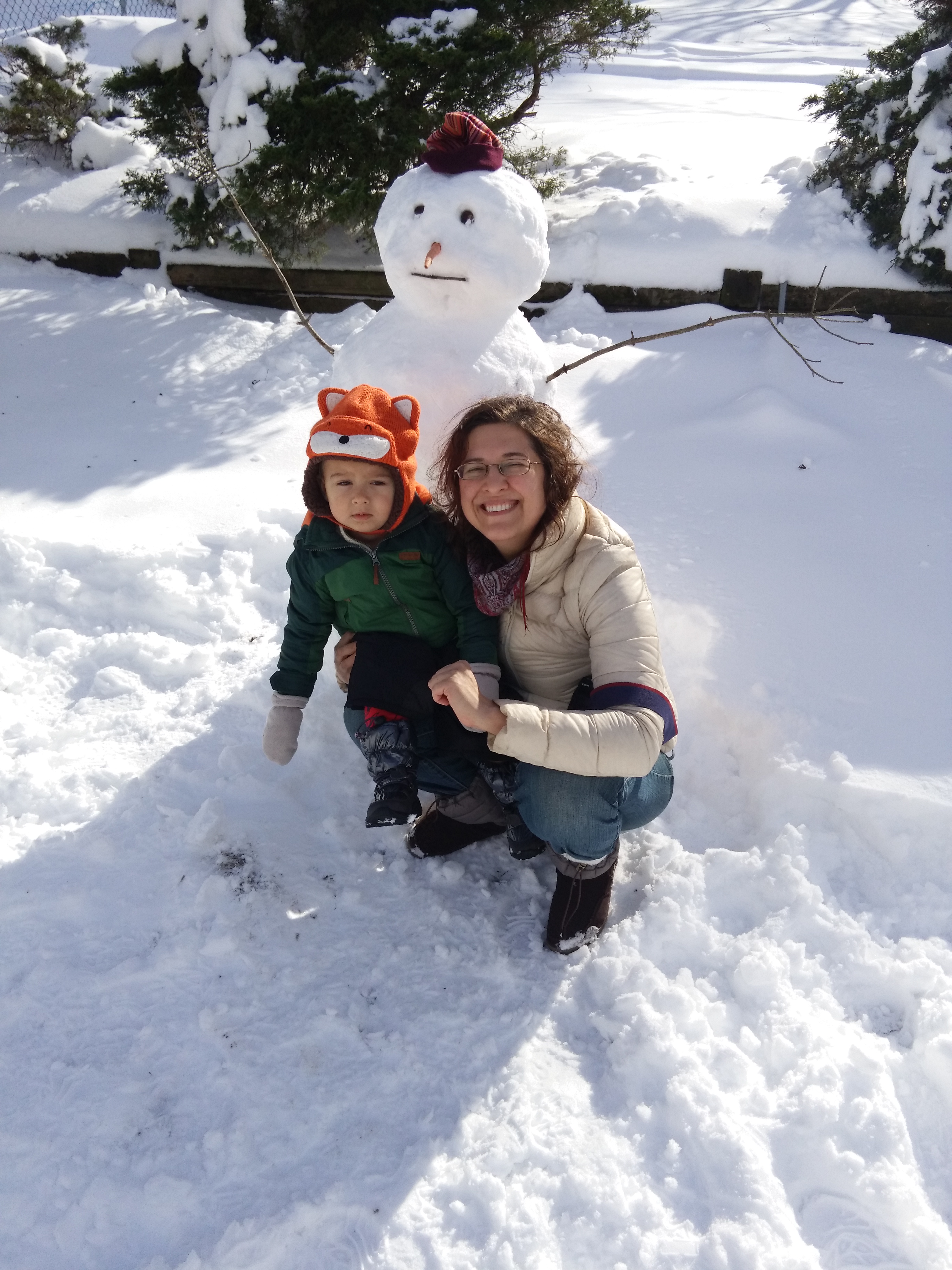
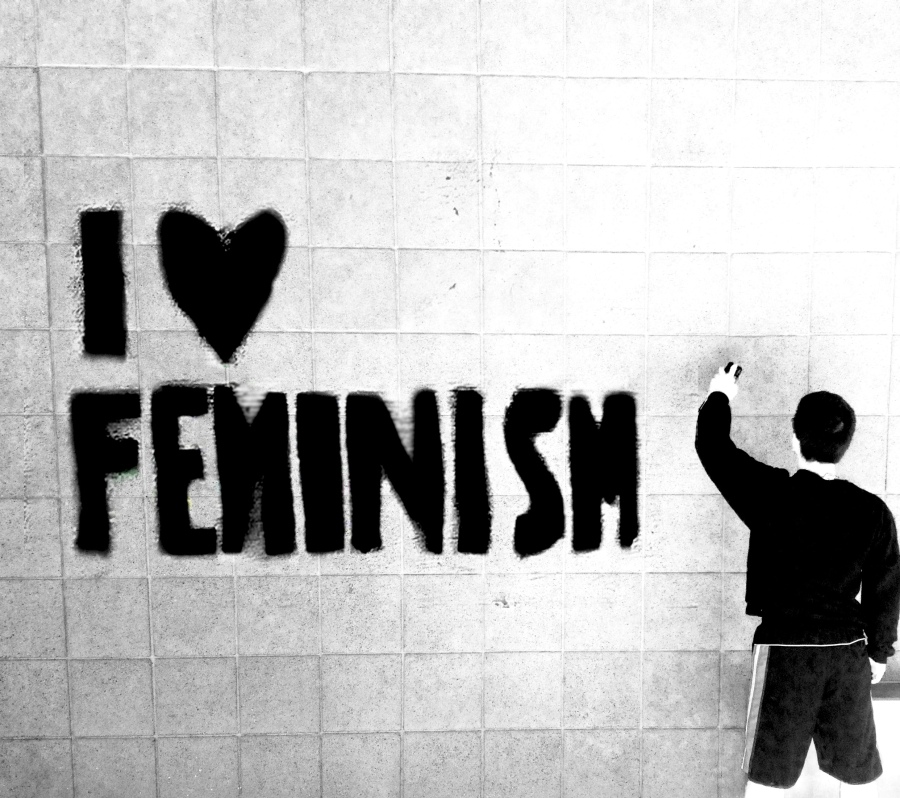

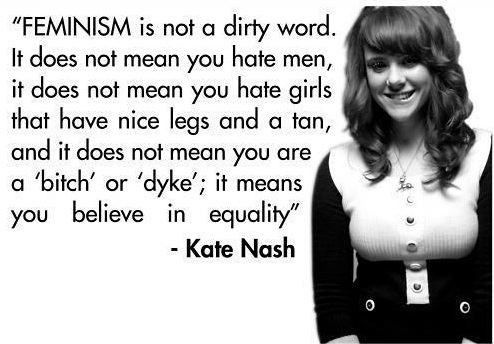
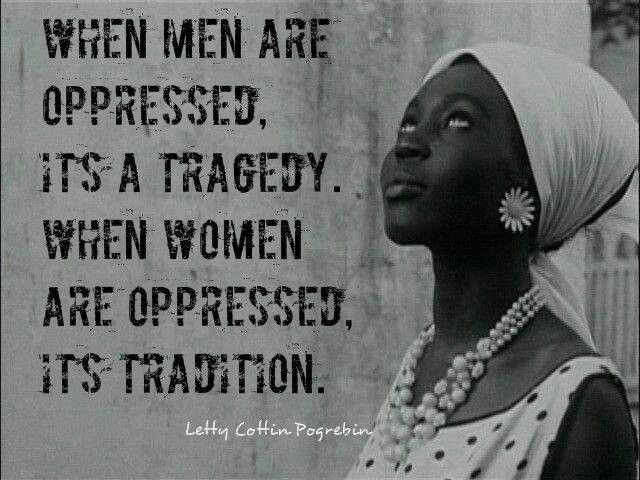

 I was listening to a
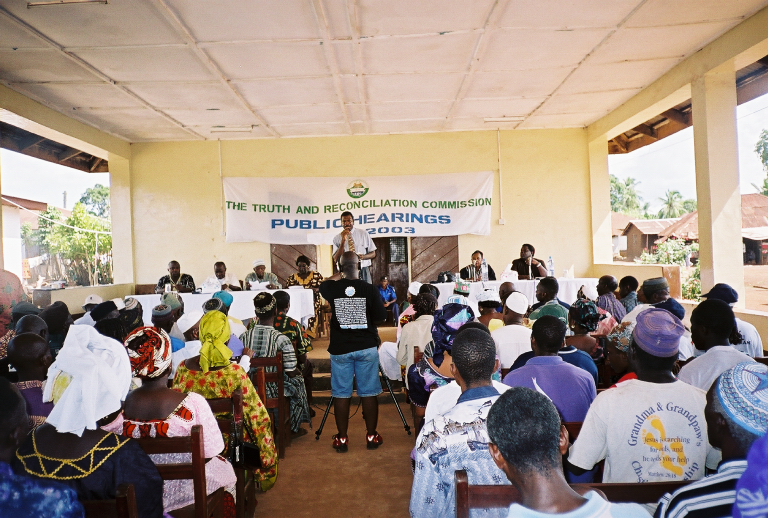

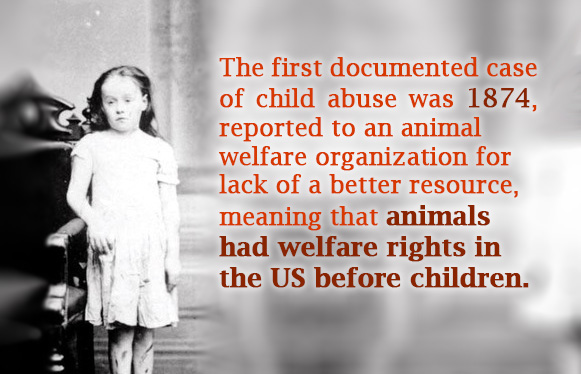


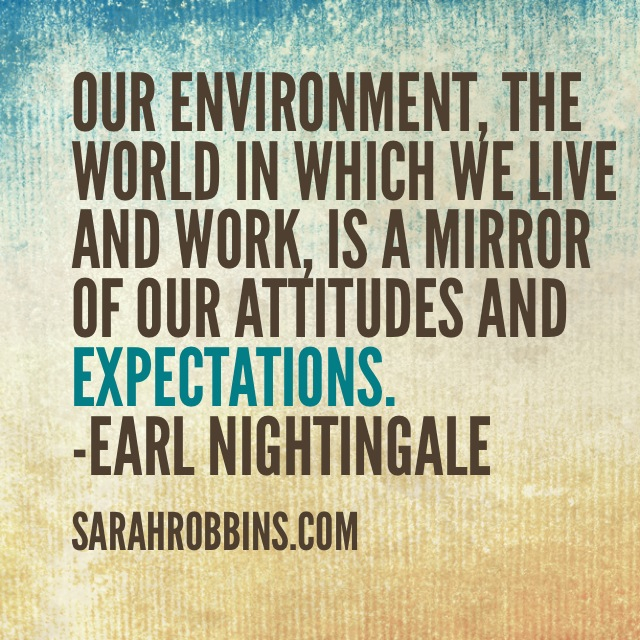


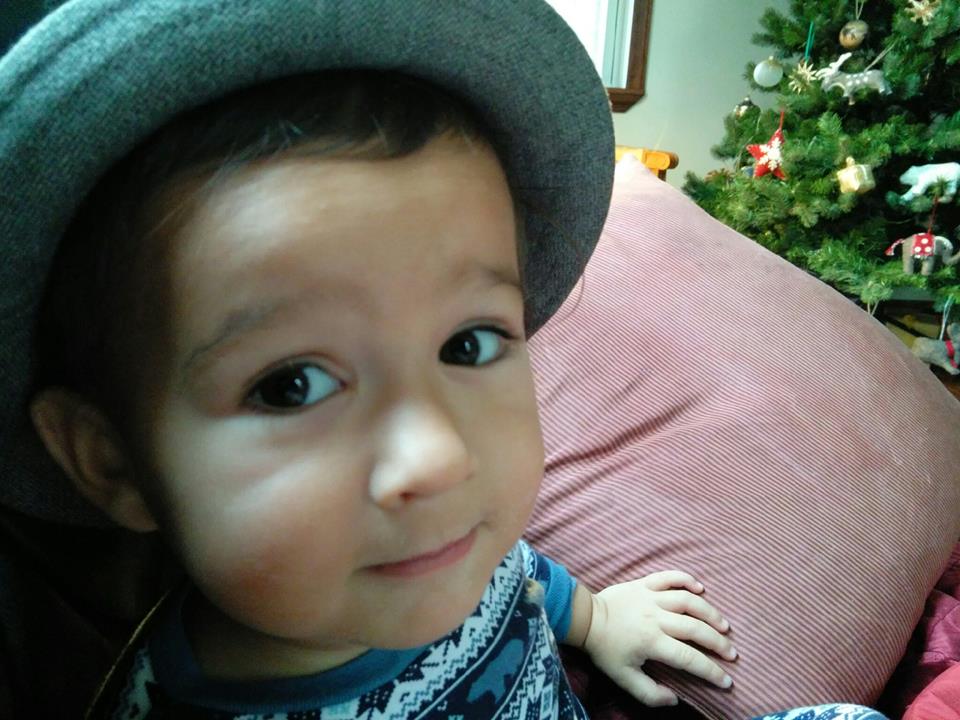


 Cloak Unfurled